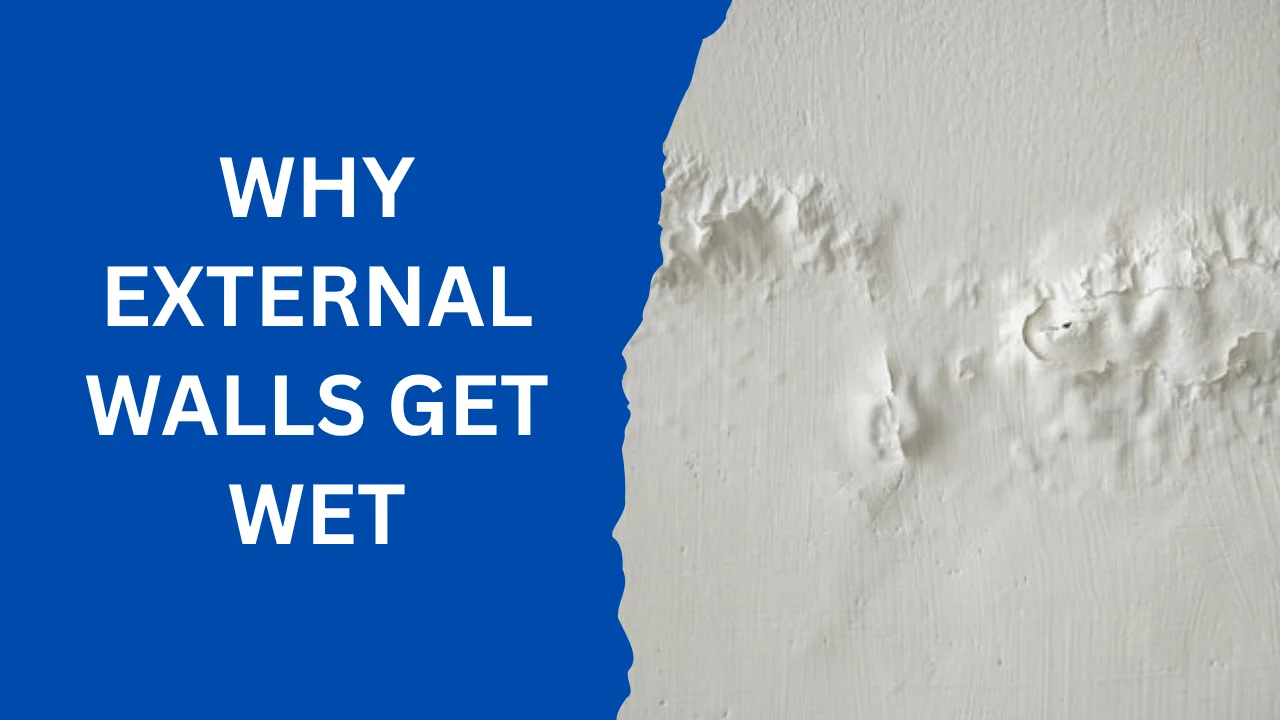
External walls get wet frequently in cities like Hyderabad, where the climate ranges from intense heat to heavy monsoons. This constant weather change takes a toll on buildings. If you notice wet patches, peeling paint, or discoloration on your external walls, it means water has already started seeping in.
In this article, we’ll explore why external walls get wet, the damage it can cause, and practical steps to stop it.
Why Do External Walls Get Wet?
1. Continuous Rainfall Without Proper Waterproofing
During the monsoon season, walls are directly exposed to rain for hours. If the wall surface is not protected with a good waterproofing coat, water starts to seep through. Over time, this moisture reaches the interior, damaging both the wall structure and aesthetics.
2. Tiny Cracks in Walls
Even the smallest cracks can let water in. Cracks usually form because of temperature changes, structural shifts, or aging construction materials. Once water enters through these cracks, it gets trapped and causes dampness. When not cured early, these cracks grow bigger, letting more moisture into the wall.
3. Poor Drainage System
Improper drainage around the building or on the terrace is another reason external walls get wet. When water collects on the rooftop or near the base of the building, it starts soaking into the walls. Blocked pipes, broken slopes, or poor gutter design make this worse.
4. Moisture Rising from the Ground
In many old buildings, moisture rises from the ground into the wall. This is known as rising damp. It occurs when the structure lacks a proper damp-proof barrier between the ground and the wall. The lower portion of the wall stays wet and slowly spreads upward.
5. Outdated or Missing Waterproofing Layer
External wall waterproofing is not permanent. Over time, sun, rain, and pollution wear it off. If the last waterproofing treatment was done years ago, chances are it’s no longer effective. This makes your walls vulnerable to water damage, especially during long rainy seasons.

What Happens When External Walls get Wet?
Health Issues
When external walls get wet, the trapped moisture leads to mold and fungus. This causes a bad smell inside the house and may trigger breathing problems or allergies, especially in children and the elderly.
Paint Peeling and Wall Damage
Moisture under the surface weakens paint and plaster. You might notice bubbles, cracks, and flaking paint. Eventually, the surface looks worn out and dirty, reducing the overall appearance and value of the home.
Structural Weakness
Excess water inside walls rusts steel reinforcements and weakens concrete. If left unchecked, this may lead to serious structural problems that require costly repairs or reconstruction.

How to Prevent External Walls from Getting Wet
- Apply Waterproof Coatings on External Walls
Choose a high-quality waterproof coating designed for exterior surfaces. These coatings form a water-resistant layer that protects walls from rain, UV rays, and humidity. - Inspect and Repair Cracks Regularly
Before the rainy season, check for cracks and seal them properly using appropriate fillers. Fixing small cracks early is cheaper and prevents major damage later. - Ensure Proper Drainage System
Make sure water doesn’t accumulate near the base of your walls or on the terrace. Keep gutters clean and install proper slope systems to direct water away from the building. - Use Damp-Proof Course in New Construction
If you’re building a new house, insist on a damp-proof course at the plinth level. This layer blocks moisture from traveling upward from the ground. - Schedule Periodic Waterproofing Inspections
Hire professionals to assess the waterproofing every few years. Early detection of weak spots allows you to act before water causes serious damage.
Also Read: Waterproof Coating for Walls: Simple Ways to Protect Your Home from Dampness
Final Thoughts
External walls get wet due to rain, cracks, poor maintenance, or outdated waterproofing. Once water enters the wall, it begins to damage both the interior and exterior of your home. But with the right solutions—like waterproof coatings, drainage corrections, and timely repairs—you can protect your building from long-term harm.
Preventing dampness is always more affordable than repairing it later. If you live in Hyderabad or nearby, consider reaching out to experienced waterproofing professionals who understand the local weather and construction types. A dry, strong, and beautiful wall starts with smart prevention today.
Also you can checkout our social media handles Instagram, YouTube.

